
Nullam dignissim, ante scelerisque the is euismod fermentum odio sem semper the is erat, a feugiat leo urna eget eros. Duis Aenean a imperdiet risus.
Nullam dignissim, ante scelerisque the is euismod fermentum odio sem semper the is erat, a feugiat leo urna eget eros. Duis Aenean a imperdiet risus.

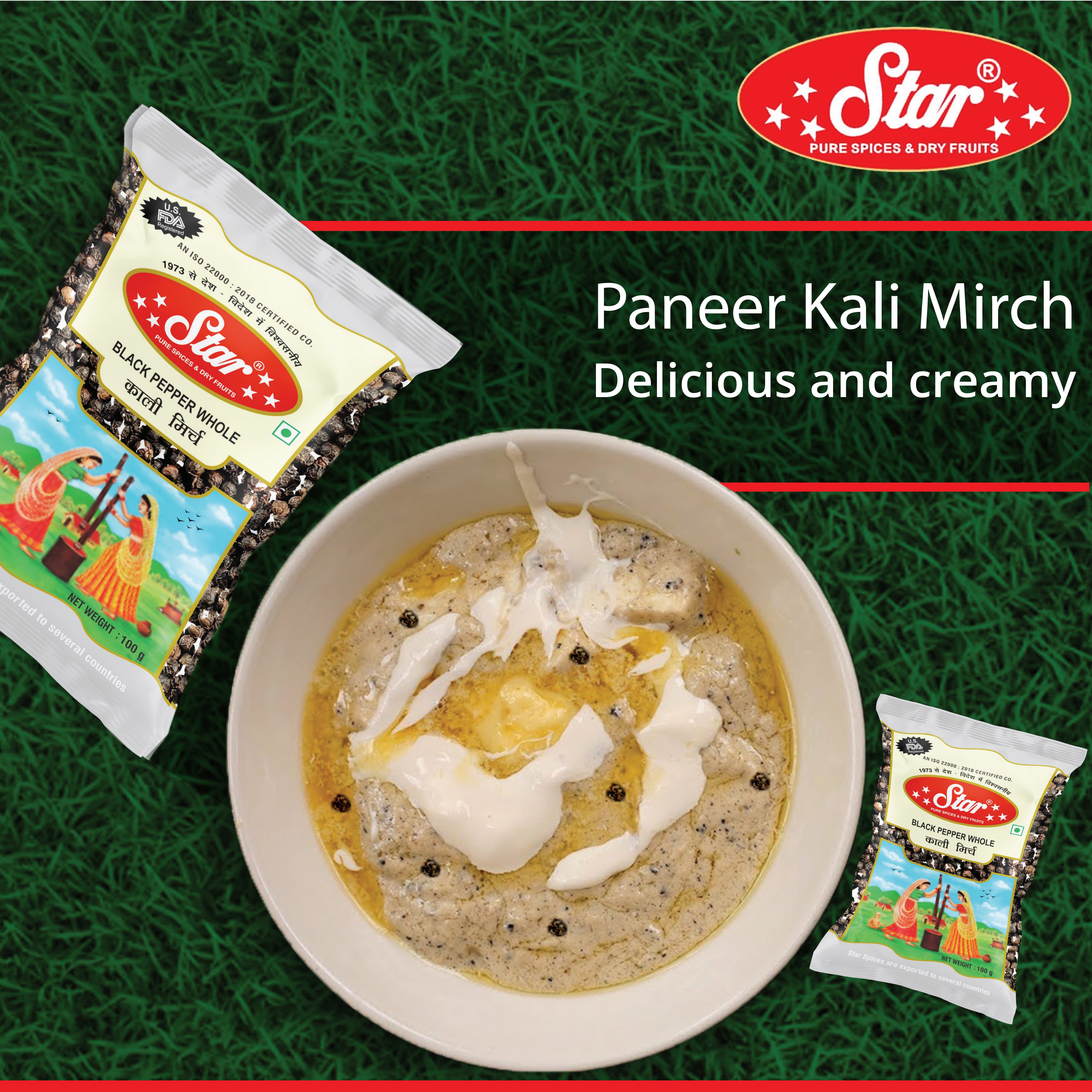
Black Pepper remains one of the most important spices in professional kitchens and food manufacturing. Its sharp aroma, warm pungency, and distinctive flavour can shape everything from a simple seasoning blend to a complex curry, sauce, marinade, or processed food formulation. For chefs and procurement managers, however, choosing black pepper is about more than heat; consistency in flavour, cleanliness, grinding, packaging, and supply also matters.
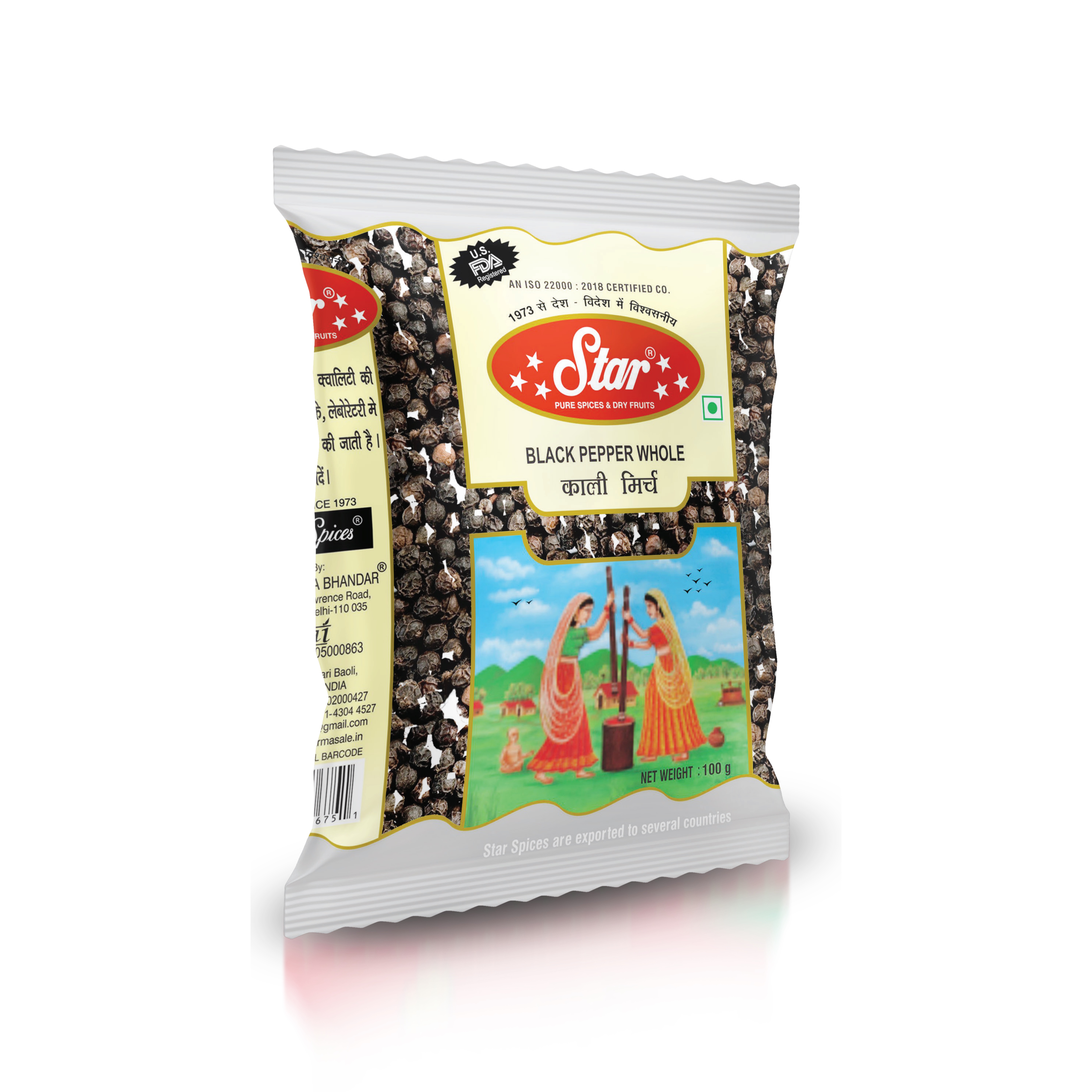
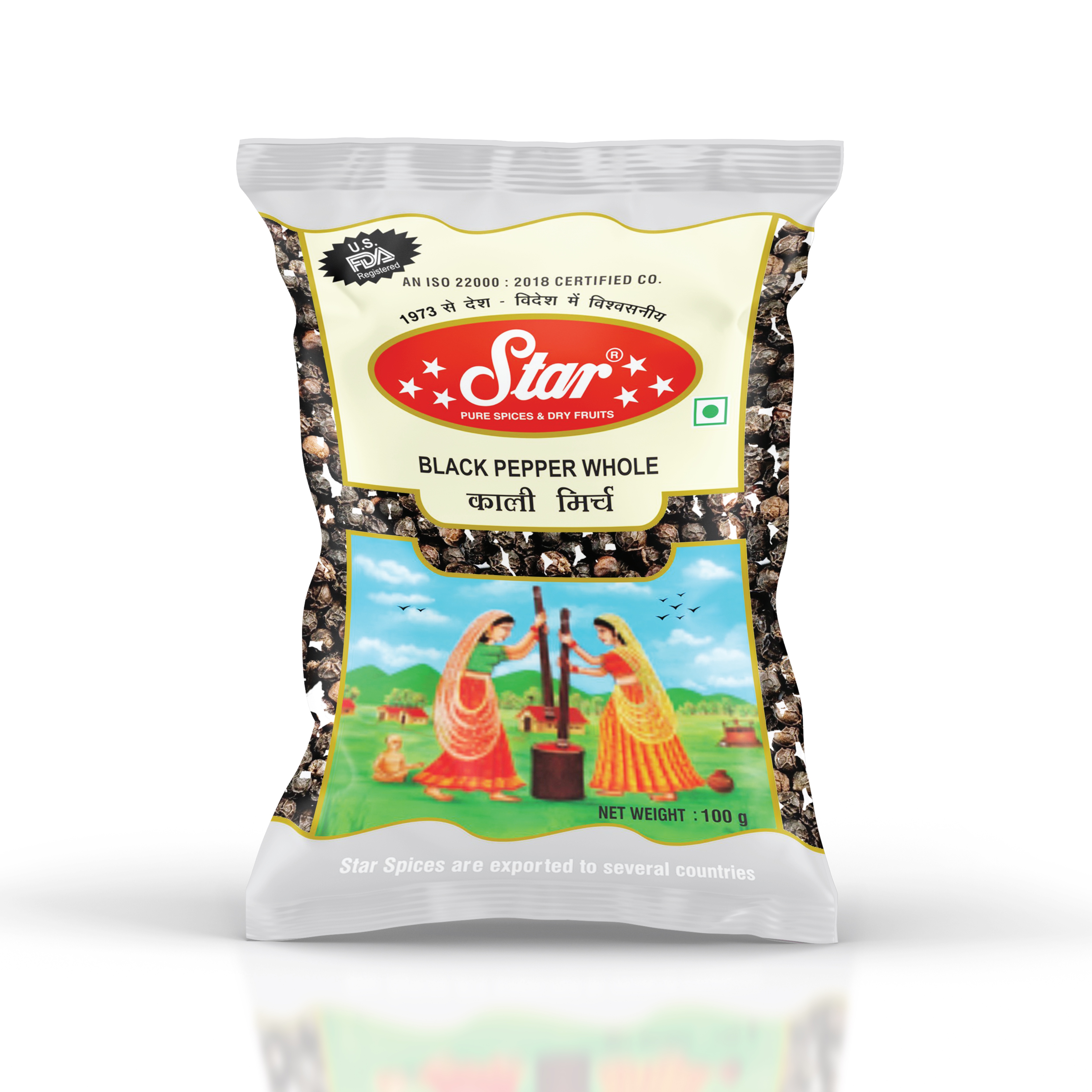
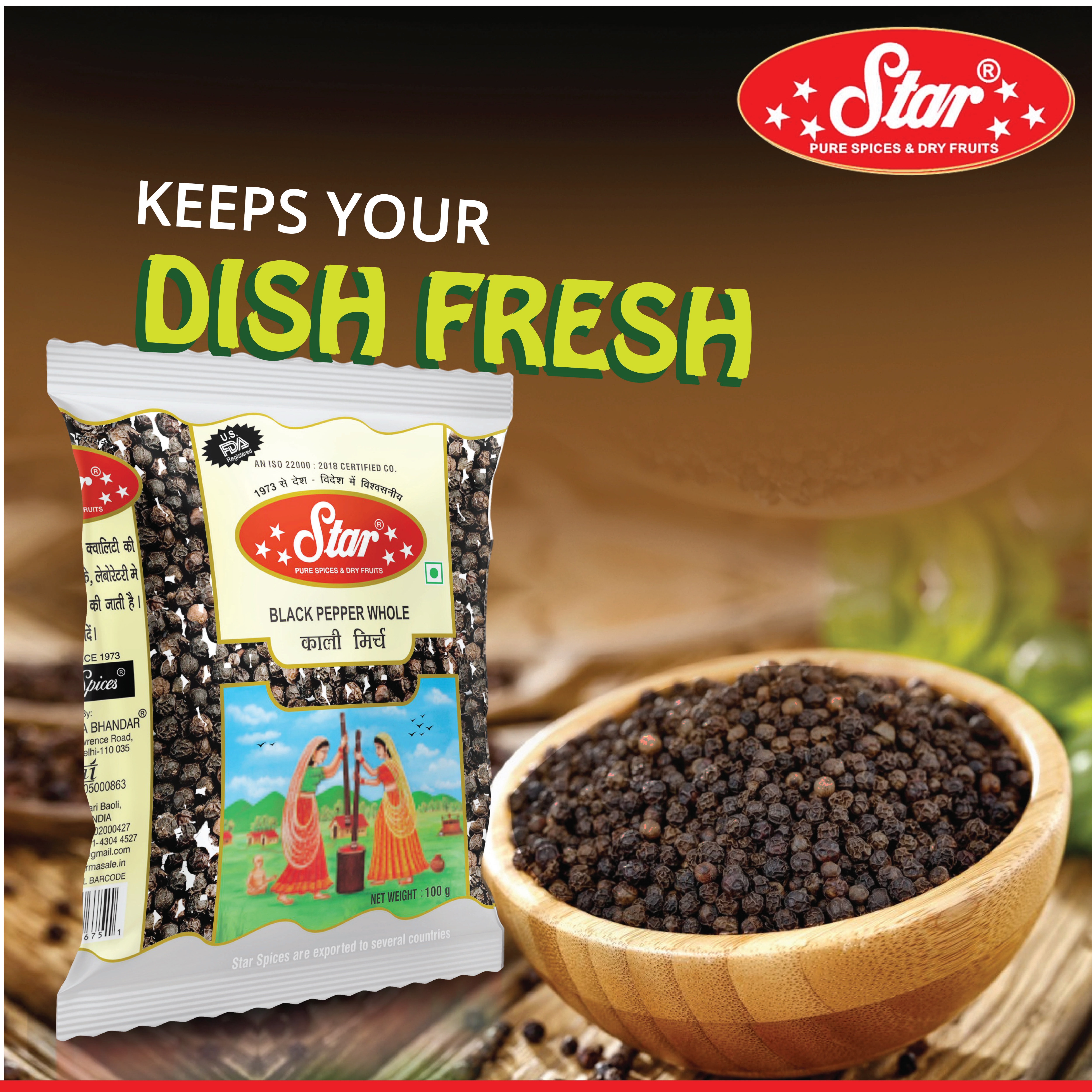
Star Masale brings decades of experience in spices and dry fruits to the sourcing and processing of Black Pepper. The company focuses on careful raw-material sourcing, hygienic handling, controlled processing, modern packaging, and quality-focused manufacturing to supply Black Pepper for commercial kitchens, food manufacturers, wholesalers, retailers, and institutional buyers.
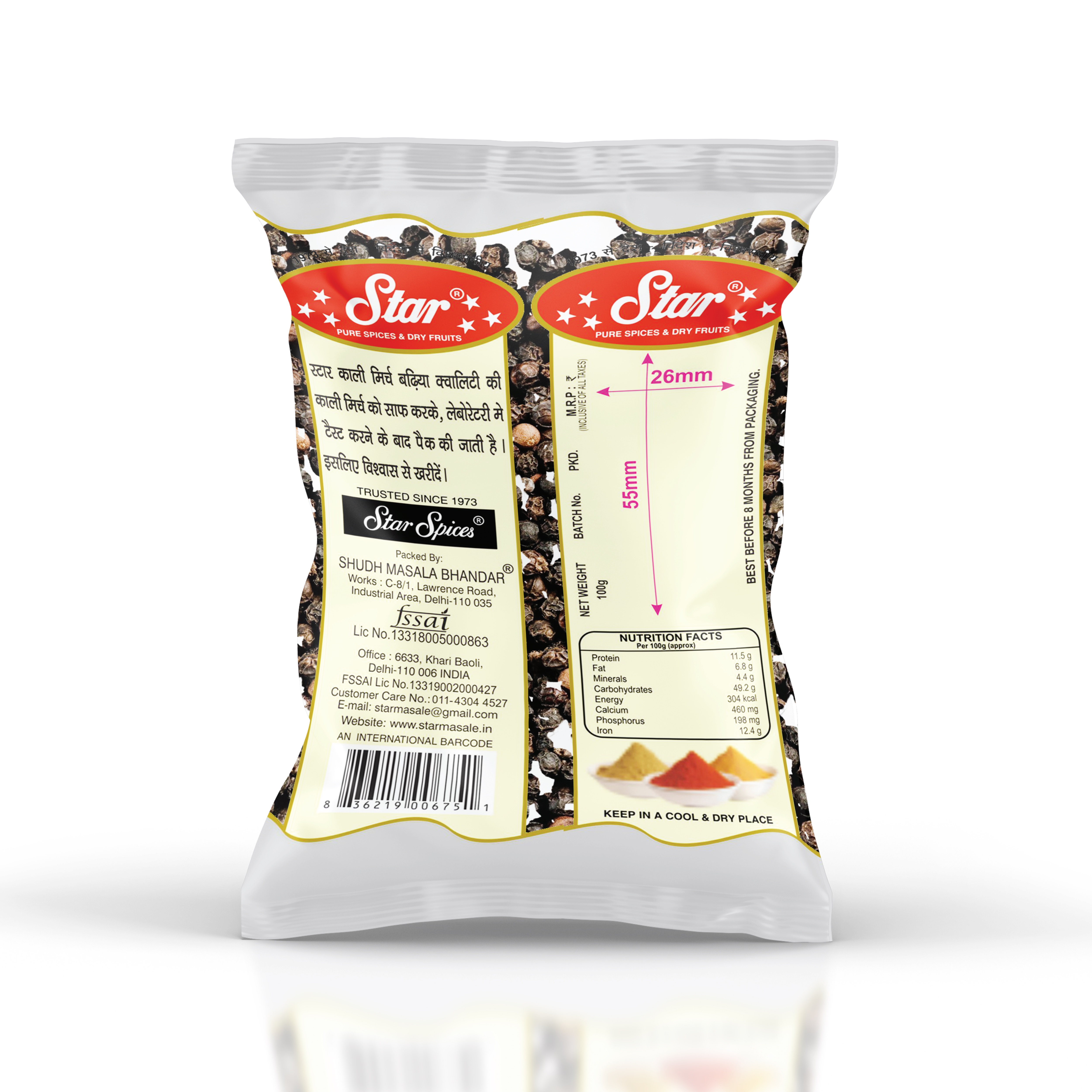
Star Masale states that its manufacturing operations are supported by ISO, HACCP, AGMARK, GMP, and USFDA certifications, reflecting its focus on food safety, hygiene, quality management, and controlled manufacturing practices.
The character of Black Pepper starts with the peppercorn itself. Sourcing, cleaning, drying, storage, grinding, and packaging can influence the spice's aroma, pungency, appearance, and overall performance. Star Masale works with trusted farms and suppliers to source raw materials before processing them under hygienic conditions.
Black Pepper can be supplied and used in different forms depending on the application. Whole peppercorns are useful for grinding and culinary preparation, while ground black pepper can be incorporated directly into seasoning mixes, sauces, marinades, soups, snacks, ready-to-cook products, and other food formulations. Consistent processing helps commercial kitchens and manufacturers maintain established recipes and flavour profiles.
Packaging and storage are equally relevant for a spice with such a pronounced aroma. Appropriate handling and packaging can help protect Black Pepper during transportation and storage, supporting its quality until it reaches the kitchen, production facility, distributor, or retail shelf.
Black Pepper is part of Star Masale's broader portfolio, which includes Whole Spices, Powdered Spices, Blended Spices, and Premium Dry Fruits. For commercial buyers, this creates an opportunity to manage multiple spice requirements through one established supplier rather than treating every ingredient as a separate sourcing exercise.
Star Masale serves hotels, restaurants, caterers, food-processing companies, retailers, wholesalers, supermarkets, institutional kitchens, and other food businesses. The company also provides Certificate of Analysis (COA), laboratory test reports, white labeling, and private labeling services for businesses with specific documentation, packaging, or branding requirements.
International spice procurement often involves a combination of flavour expectations and practical supply requirements. Buyers may consider raw-material sourcing, processing practices, product specifications, laboratory testing, documentation, packaging, and order consistency when evaluating a spice supplier.
Star Masale serves customers across hotels, restaurants, caterers, hospitals, food-processing companies, wholesalers, retailers, supermarkets, corporate kitchens, and government institutions. The company also states that its products are exported to international markets including Japan, Europe, and the United States.
For businesses sourcing Black Pepper from India, Star Masale combines spice-processing experience with quality-control practices, testing documentation, and private-label capabilities that can support foodservice, manufacturing, retail, and distribution requirements.
For chefs, Black Pepper is valued for the depth and warmth it brings to a dish. For procurement teams, the requirements are broader: reliable flavour, consistent processing, suitable packaging, documentation, and dependable supply all have a place in the purchasing decision.
Star Masale brings these considerations together through its spice and dry-fruit portfolio, supported by quality-control processes, laboratory documentation, and private-label services. Businesses looking to source Black Pepper for commercial kitchens, food manufacturing, retail packaging, distribution, or branded products can discuss their specific requirements with Star Masale.
Black Pepper is a spice made from dried peppercorns and is valued for its characteristic aroma, sharp pungency, and warm flavour. It is widely used in Indian cuisine, seasoning blends, sauces, marinades, soups, snacks, and food-processing applications.
Black Pepper is commonly used in curries, soups, sauces, marinades, spice blends, seasoning mixes, snacks, meat and vegetable preparations, ready-to-cook foods, and various processed food products.
Star Masale offers Whole Spices, Powdered Spices, Blended Spices, and Premium Dry Fruits for foodservice, retail, distribution, food manufacturing, and institutional applications.
Yes. Star Masale offers white-label and private-label services, allowing businesses to market selected spice products under their own brands, subject to product specifications and order requirements.
Star Masale provides Certificate of Analysis (COA) and laboratory test reports depending on the product, order specifications, and requirements of the buyer.
Star Masale states that its products are exported to international markets including Japan, Europe, and the United States.
Black Pepper can be sourced by hotels, restaurants, caterers, food manufacturers, wholesalers, retailers, supermarkets, institutional kitchens, distributors, and businesses developing private-label spice products.

 WhatsApp
 Call